
The Tuscan cuisine: ancient dishes and traditional Tuscan flavours, chianina, extra virgin olive oil…
Tuscan cooking is made up of many and varied dishes, but some traditional dishes, remained unchanged over time, are common to all areas of Tuscany.
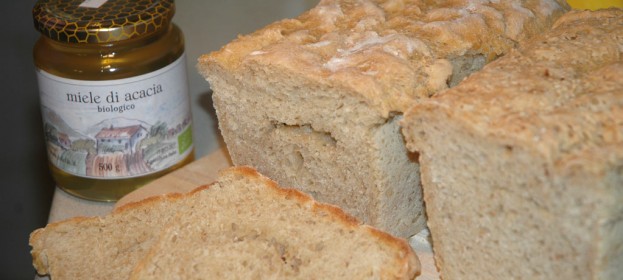
At the heart of the Tuscan table there is a product that is unique in Italy: the “sciocco” bread (without salt). It seems that this practice not to add salt to the bread is due to the ancient rivalry between Florence and Pisa, which led the latter to block the salt trade.
In any case, this feature goes well with the tasty cuisine and Tuscan salami.
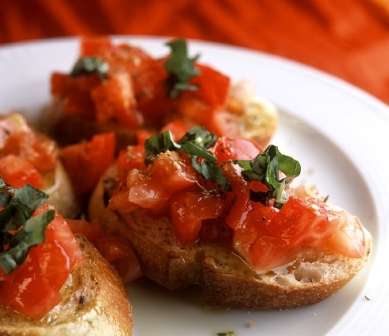
Bread has been always considered sacred in Tuscany. In the past, after it is cooked in a wood oven (present in almost all the houses), it is kept in a kitchen cupboard for weeks. Even today it is tradition not to waste it and the bread is used in many popular dishes: panzanella, ribollita, pappa al pomodoro, fettunta (bruschetta).
The extra virgin olive oil is another key ingredient (in Tuscany there are about 400 presses).
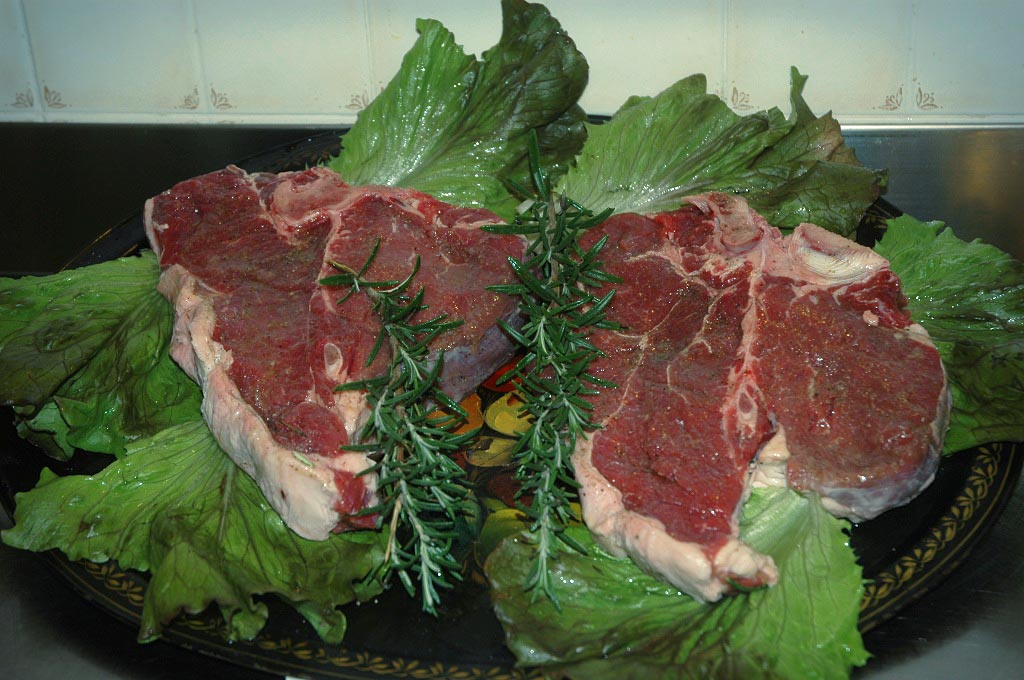
The Apennines offers the perfect setting for flocks and herds. The prized Chianina breed, which takes its name from the Val di Chiana, is raised also in the Tiber Valley, especially in the area between Pieve Santo Stefano, Badia Tedalda and Sestino. It is characterized by the white mantle and the tonnage of considerable size. The meat of the Chianina breed is the basis for true “Fiorentina” steak, served with cannellini beans dressed with salt and pepper.
Excellent Tuscan pecorino cheese, often accompanied in our valley with particular honeys or jams, such as red onion jam or candied figs, are famous all over Italy.
On the Tuscan table is often present the meat of poultry, bred in the farmyards of our houses: chicken, turkey, rabbit, guinea fowl, goose. But also wild boar and hare, with which we prepare tasty sauce to accompany noodles.

Slaughtering the pig is a tradition in the countryside every year in early December. The meat is mainly used for seasoning products, such as Tuscan salami, traditional ham, bacon, sausage, finocchiona, capocollo.
The Tuscan cuisine also offers a great variety of desserts, usually made from simple ingredients. They are closely linked to the traditional festivities, to the religious or agricultural calendar. Among the best known and also prepared in the Tiber Valley there are Cantucci and Cavallucci (biscuits served with Vin Santo) and the Castagnaccio (called Baldino in our valley) that is made with the fine flour of chestnuts of Caprese Michelangelo.
All this is the cooking of the Tiber Valley, enriched by influences from Umbria and Marche.
The typical dish of Anghiari are Bringoli, thick fresh pasta spaghetti, egg-free, often pulled by hand. They are served with a duck sauce or with the so called “sugo finto”.
This poor and simple dish of the folk tradition, has this name because has little meat and lots of vegetables spices, but in spite of its name is very flavorful and tasty.
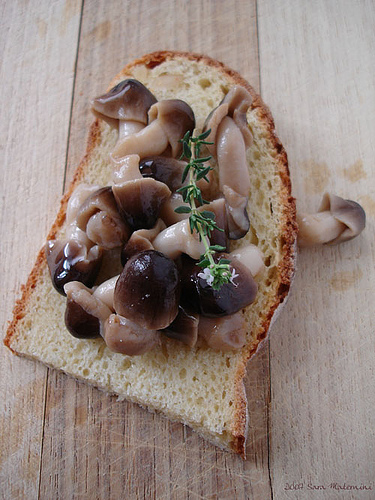
You have to taste also the meat cooked on the grill, the classic Fiorentina steak, served whole or “cut” in slices, and “salsiccia” and pork “rosticciana” (“costoliccio”). And mushrooms, truffles, polenta and beans. The typical cake is “Mantovana”, soft and cooked with pine nuts. And also “cantucci” and “torcolo”, accompanied by Vin Santo.

